Projects Overview
Arctic Minerals has two projects located in Sweden, one of Europe’s major mining economies. The country has a long mining history and is home to one of Europe’s largest copper producers (Boliden), with proximity to end markets.
Sweden has extensive infrastructure network (roads, rail, ports, air, communications) and hydro and nuclear base load power.
The country ranks in the Top 10 mining jurisdictions globally, with the government supportive of mining, low taxes (20.6% corporate tax rate) and royalties (0.2%). The government has a stated ambition to be a leader in the Green Industrial Revolution with an acceptance that mining is required to provide critical metals.
In terms of exploration potential, Sweden has massive metal endowment and little to no modern exploration has been undertaken outside of known deposits. Arctic Minerals’ first-class team of explorers and developers have extensive operating experience and recent success in Sweden.
Hennes Bay Project
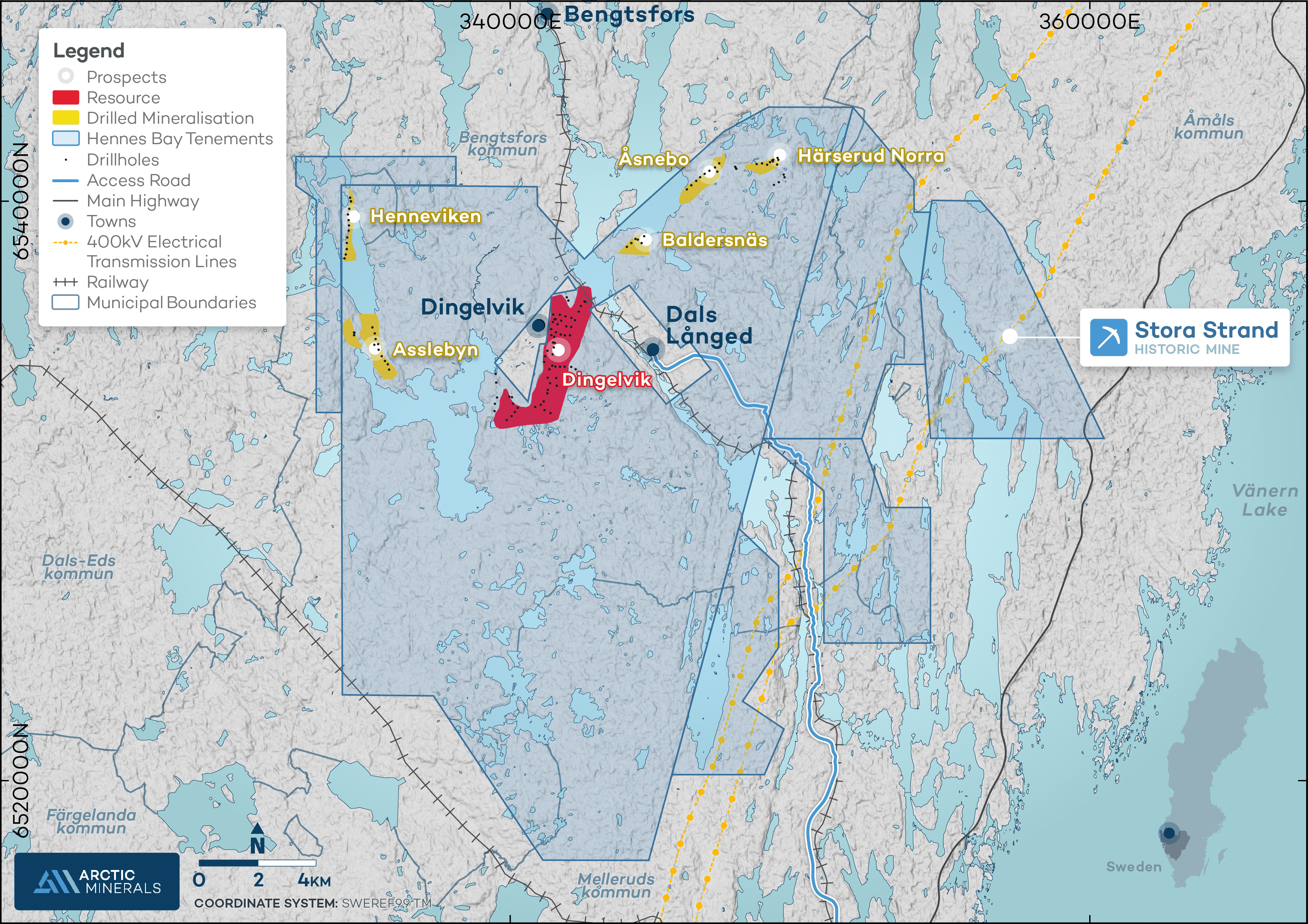
The Company’s 100% owned Hennes Bay copper-silver project is located in the Dalsland region of southwest Sweden. It comprises 14 granted exploration permits covering approximately 414 km2 (Figure 1).
Key project milestones:
- Hennes Bay Geophysics Proof of Concepts and New Targets, January 2026
- Hennes Bay Underground Mining Conceptual Study, September 2025
- Hennes Bay JORC Maiden Mineral Resource Estimate, March 2025
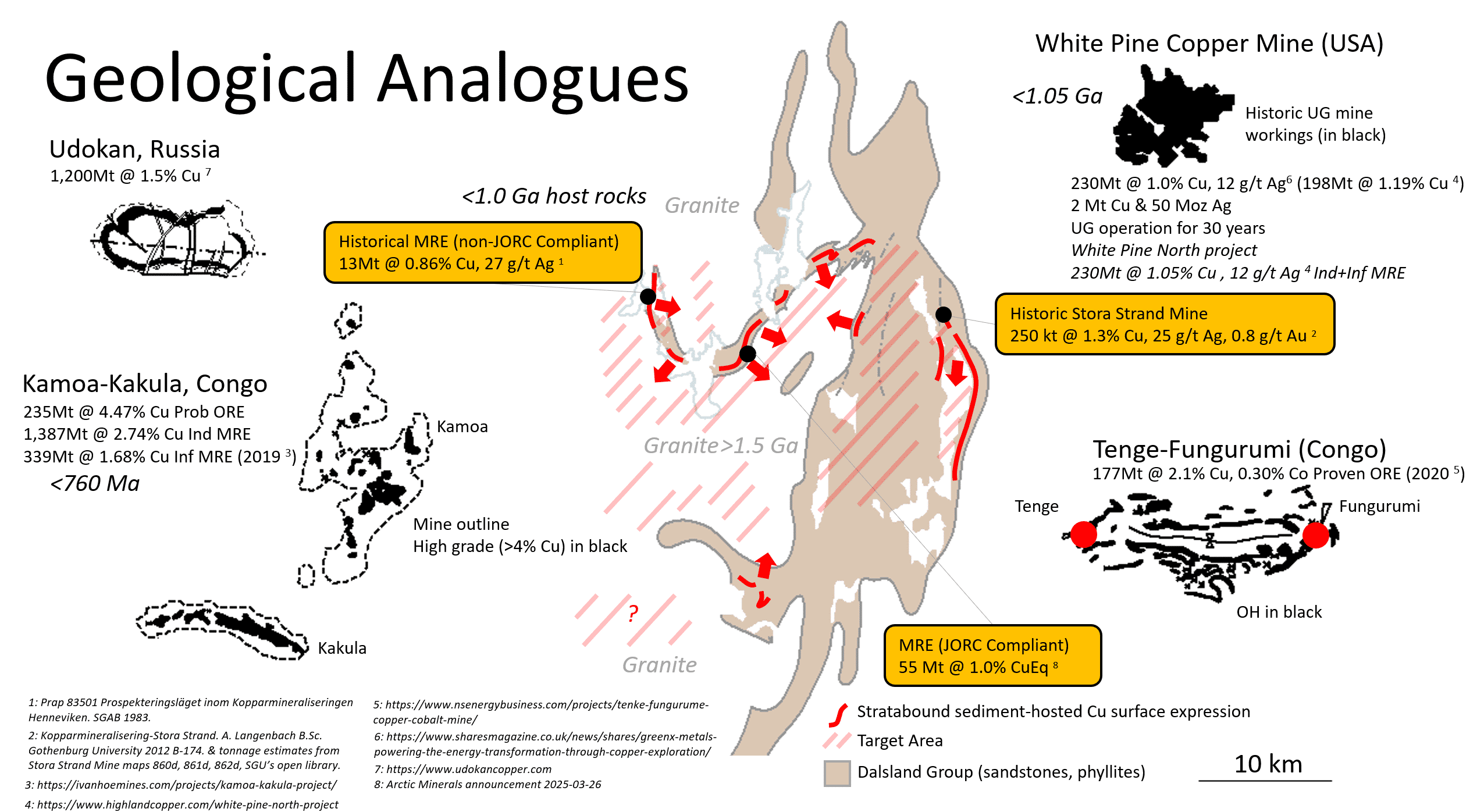
The Project is located in a largely unexplored part of the Grenville Orogeny – mountain building system which gave rise to world class sediment-hosted copper deposits including Kamoa-Kakula and Tenke-Fungurumi (Democratic Republic of Congo) and White Pine (USA) (Figure 2).
Hennes Bay Mineral Resource Estimate
Arctic Minerals AB announced the maiden JORC compliant Inferred Mineral Resource Estimate (“MRE”) for its 100% owned Hennes Bay copper-silver project in March 2025.
The maiden MRE for Hennes Bay is 55.39Mt at 1.0% CuEq (0.8% Cu & 20.8g/t Ag) for a total 543,000t CuEq contained metal (above a 0.8% CuEq cut-off). The total metal content comprises 447kt of copper and 36.99Moz of silver.
The Company engaged Cube Consulting, a highly regarded Australian independent consulting firm, to prepare and report the maiden MRE for Hennes Bay in accordance with the JORC Code (2012).
The MRE is based solely on the Dingelvik prospect where 62 drill holes for 8,822m of drilling were completed by 1984 by SGAB. Arctic Minerals has completed detailing relogging and reassaying of the drill core, and resurveying of drill hole collars, for a representative subset of historical drill holes to demonstrate the veracity of the historical data.
Table 1. Hennes Bay Maiden JORC Compliant Mineral Resource Estimate and cutoff grade sensitivity
Growth Potential
Whilst the release of a maiden MRE for Hennes Bay is a significant milestone, the Project has immense resource growth and exploration upside potential and the Company believes the opportunity to significantly expand on the MRE in the near to medium term is substantial.
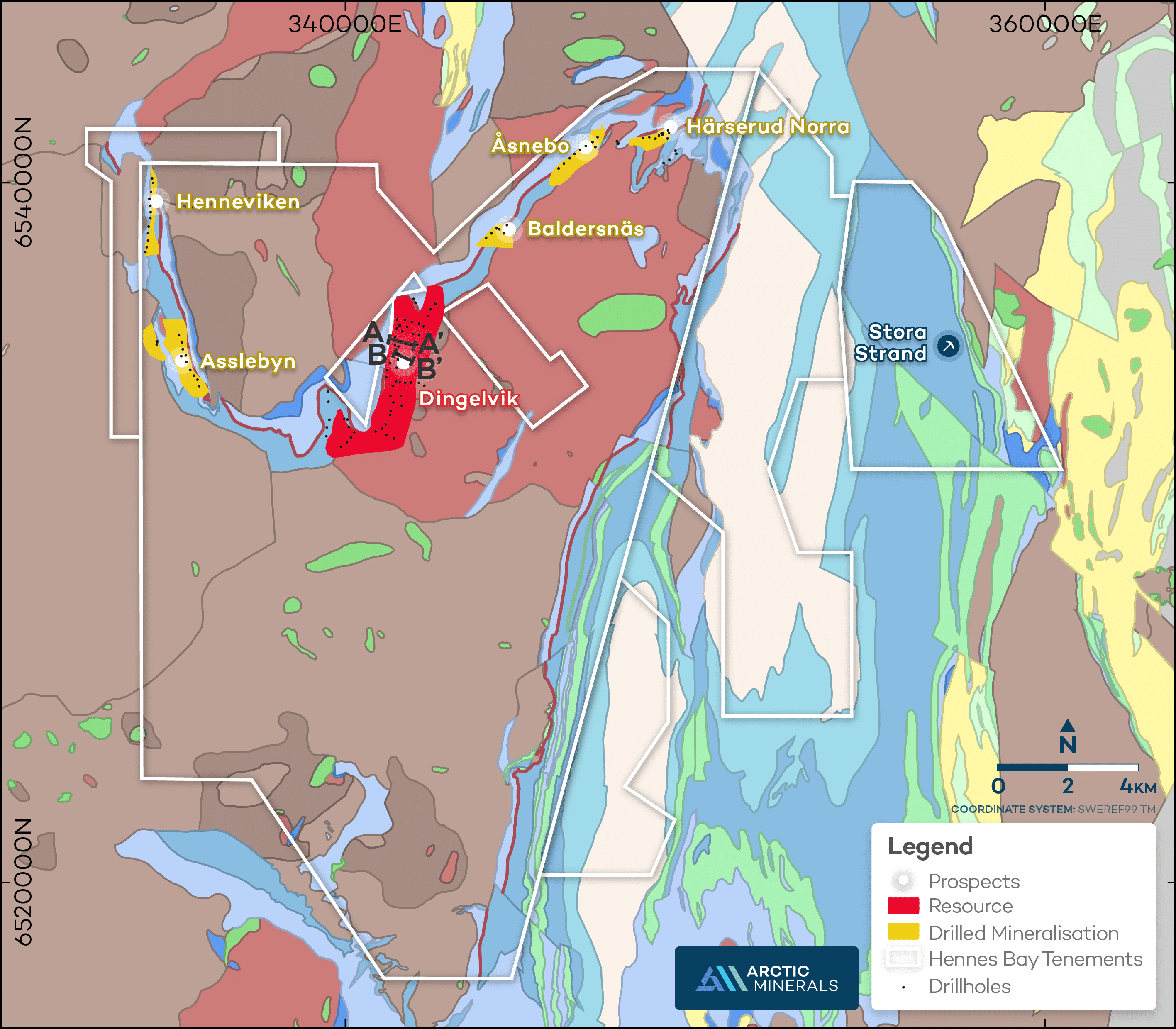
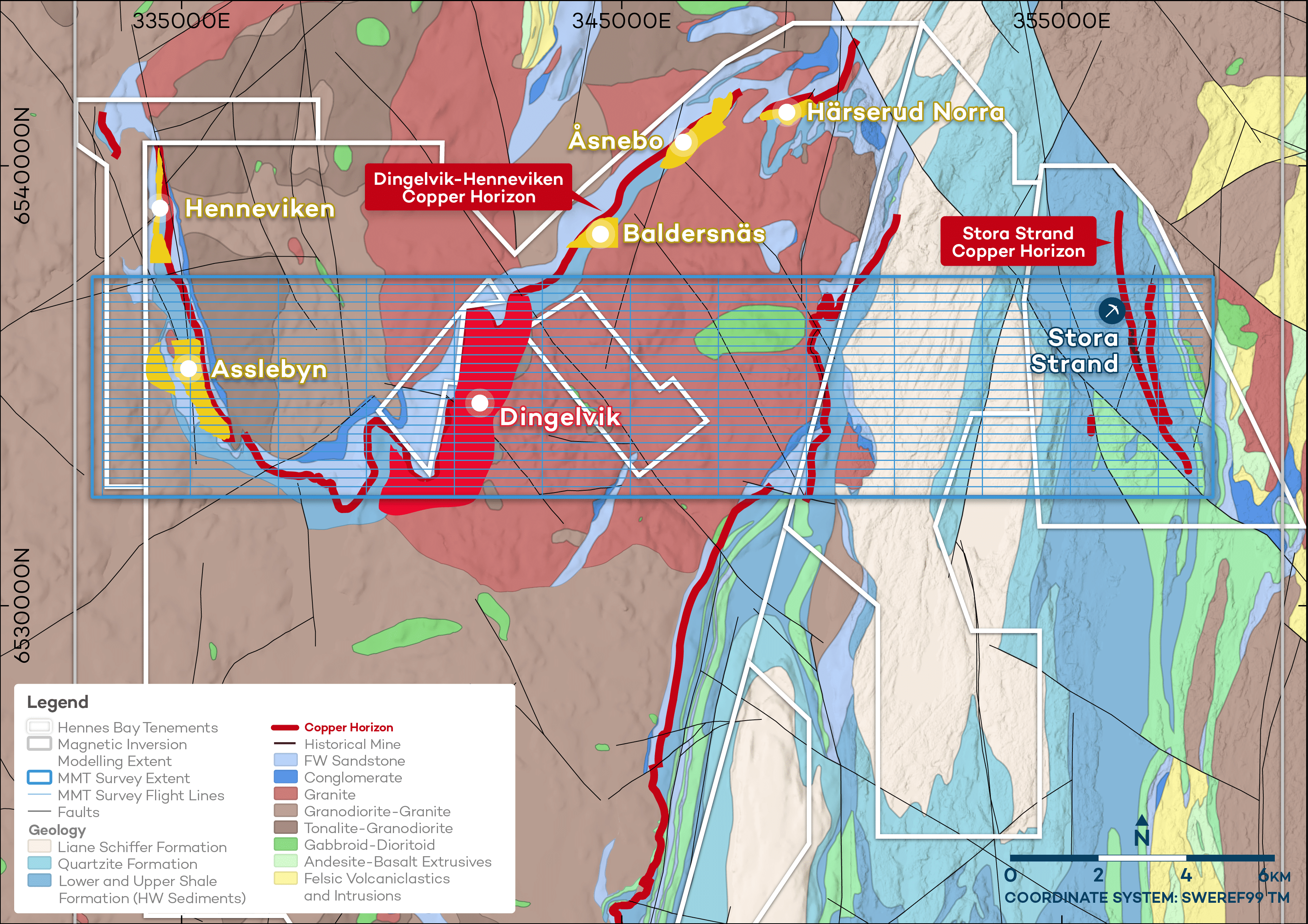
The maiden MRE is based solely on the Dingelvik prospect, where mineralisation remains open in all directions. Extensive zones of mineralisation defined by historical drilling at several other prospects, namely Asselbyn, Henneviken, Baldersnäs, Åsnebo and Härserud Norra, have not been included in the maiden MRE. With limited further drilling, these prospects have the potential to be upgraded to the Inferred Resource category and added to the Hennes Bay MRE (Figure 3).
The zones of mineralisation drilled at prospects, located in the northern portion of the Company extensive ground holding at Hennes Bay, are interpreted to represent the distal part of a sediment-hosted stratiform copper mineral system (“SSC”).
SSC mineral systems favor the formation of very large deposits and mineral districts with consistent mineralisation (Figure 5 and Figure 6), represent the most important source of copper produced in the world after porphyry copper deposits, and account for 20-25% of the global production and reserves.
Within Arctic Minerals’ tenement package at Hennes Bay, which covers 414km2, less than 5% of the aerially extensive sediment-hosted stratiform copper target horizon has been drill tested to date (Figure 4).
As mentioned above, the mineralisation at Dingelvik and the other known prospects is interpreted to represent the distal part of a SSC mineral system. This interpretation is due to the uniform mineralisation grades observed over a large area, together with preliminary geological reconstruction of the original rift basin and the setting of the known mineralisation within this framework. Identifying the proximal parts of the SSC mineral system is an exploration priority given the potential for these target areas to host higher grade mineralisation (Figure 4 and Figure 5).
Surface outcrops of the same mineralised contact have been mapped and sampled (grab sample results including 1.78% Cu & 40 g/t Ag) up to 17km from the MRE further highlighting the scale potential of the Project (Figure 6).
In the Company’s view, the detailed relogging and reassaying of historical core, extensive fieldwork, and reprocessing of available geophysical data conducted over the past two years has confirmed the potential for substantial resource growth and new discoveries through further targeted drilling at Hennes Bay.
Highly Successful Geophysical Campaign
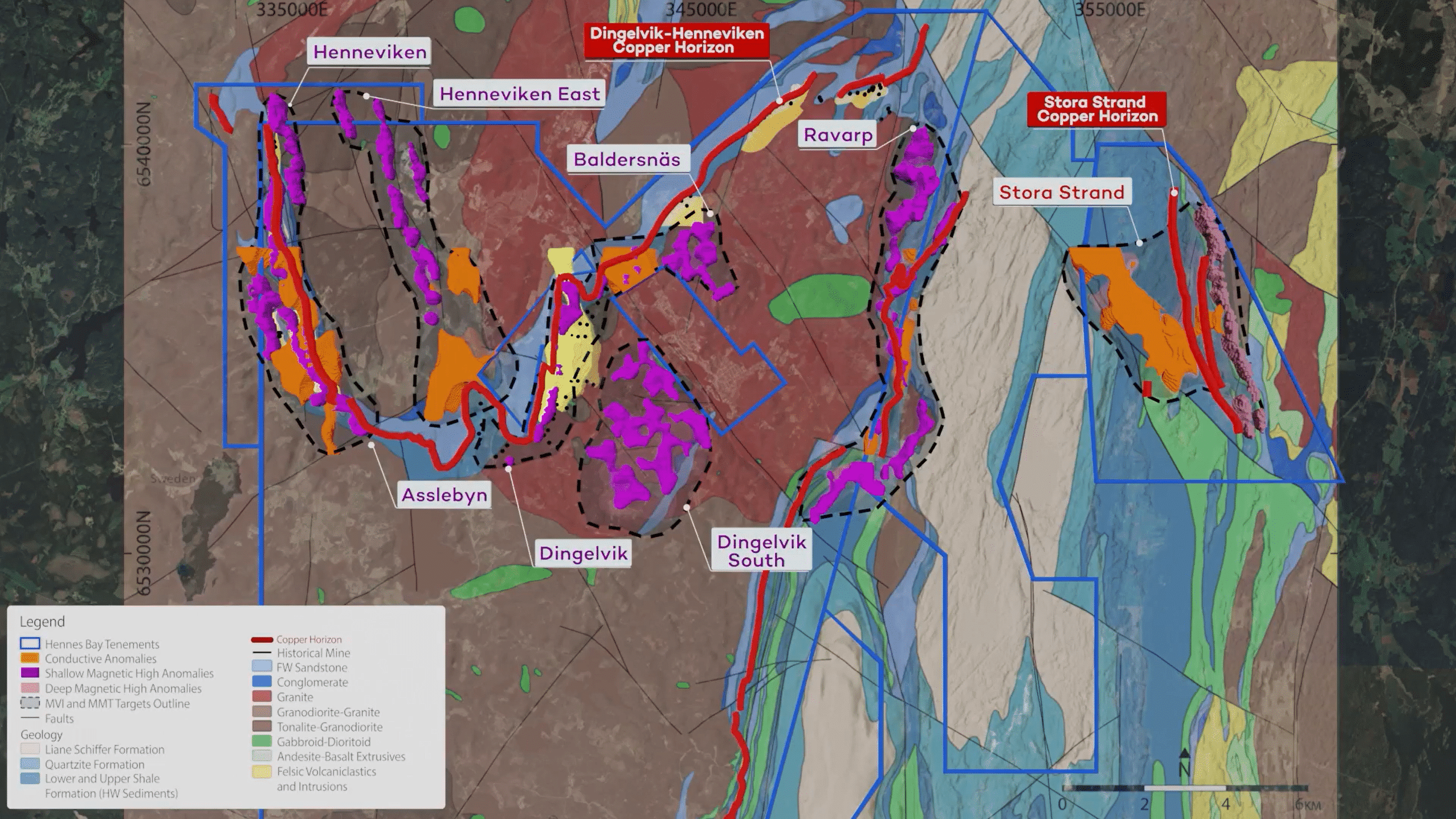
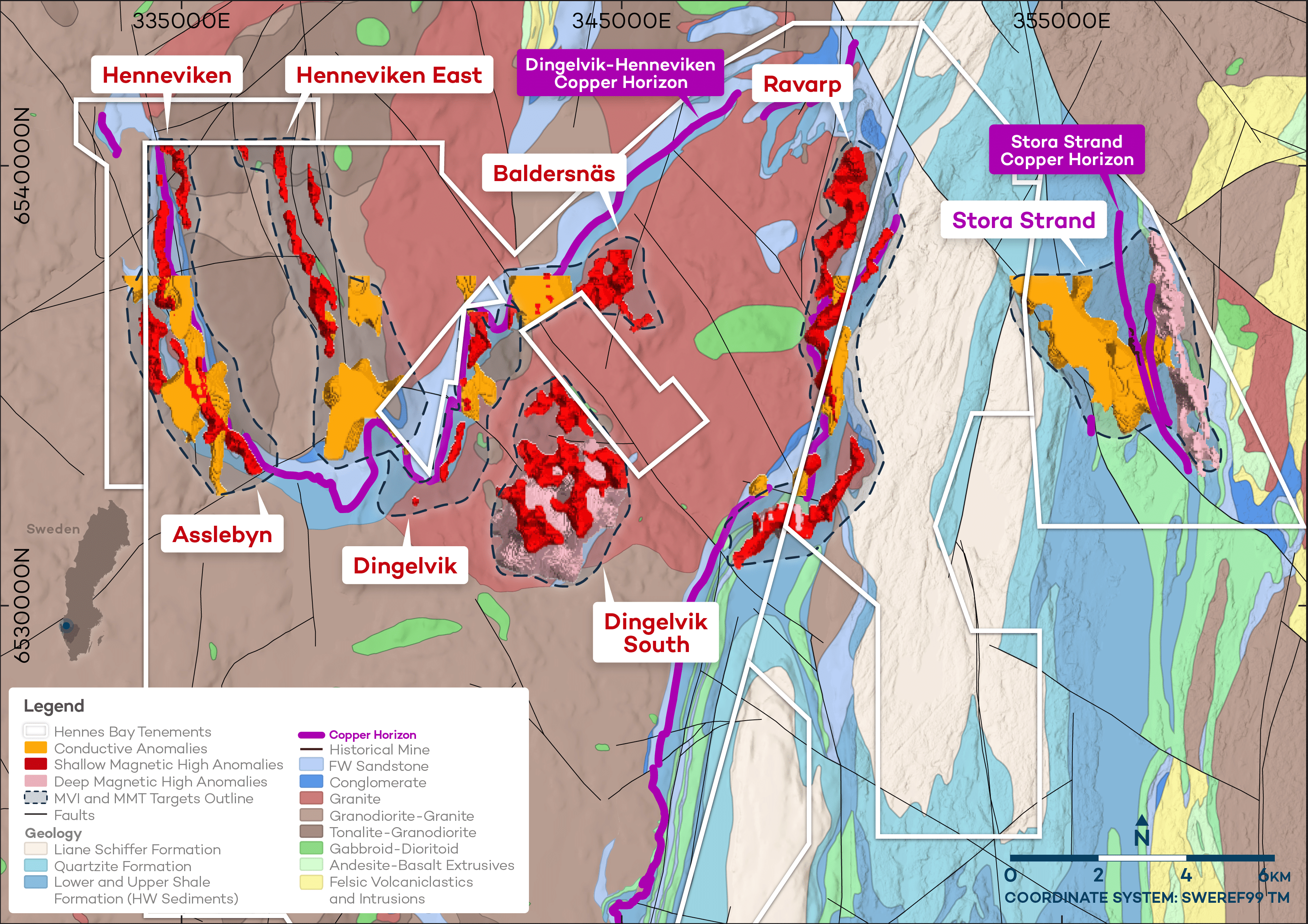
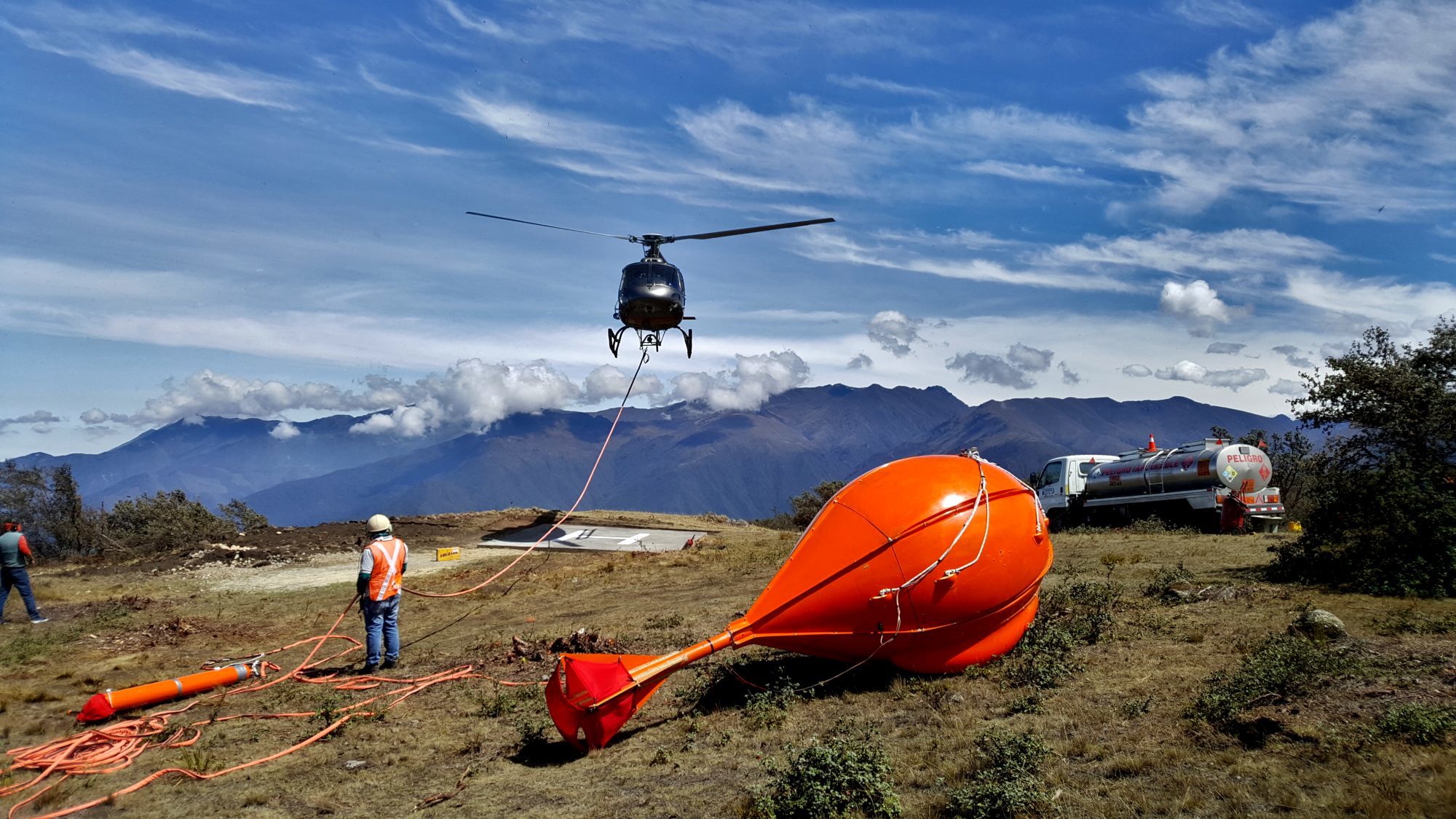
The results of the recently completed airborne magneto-telluric (“MMT”) survey and magnetic vector inversion (“MVI”) modelling of historical airborne magnetic data at Hennes Bay were reported in January 2026. The highlights of the survey were as follows:
- Highly successful geophysics campaign generated multiple high-priority targets, including extensions to known prospects and new near surface and at depth anomalies (Figure 8), noting that the MMT survey covered only ~34% of the overall tenement package (Figure 9).
- The combined area of the new targets is 10 times larger (by surface extrapolation) than the footprint of the existing 55Mt MRE at Dingelvik.
- Integration of MMT and MVI data has delivered high confidence targeting.
Next steps include ground validation, followed by target ranking and prioritisation for drill testing. Further MMT surveys are planned for 2026.
Positive Underground (“UG”) Mining Conceptual Study
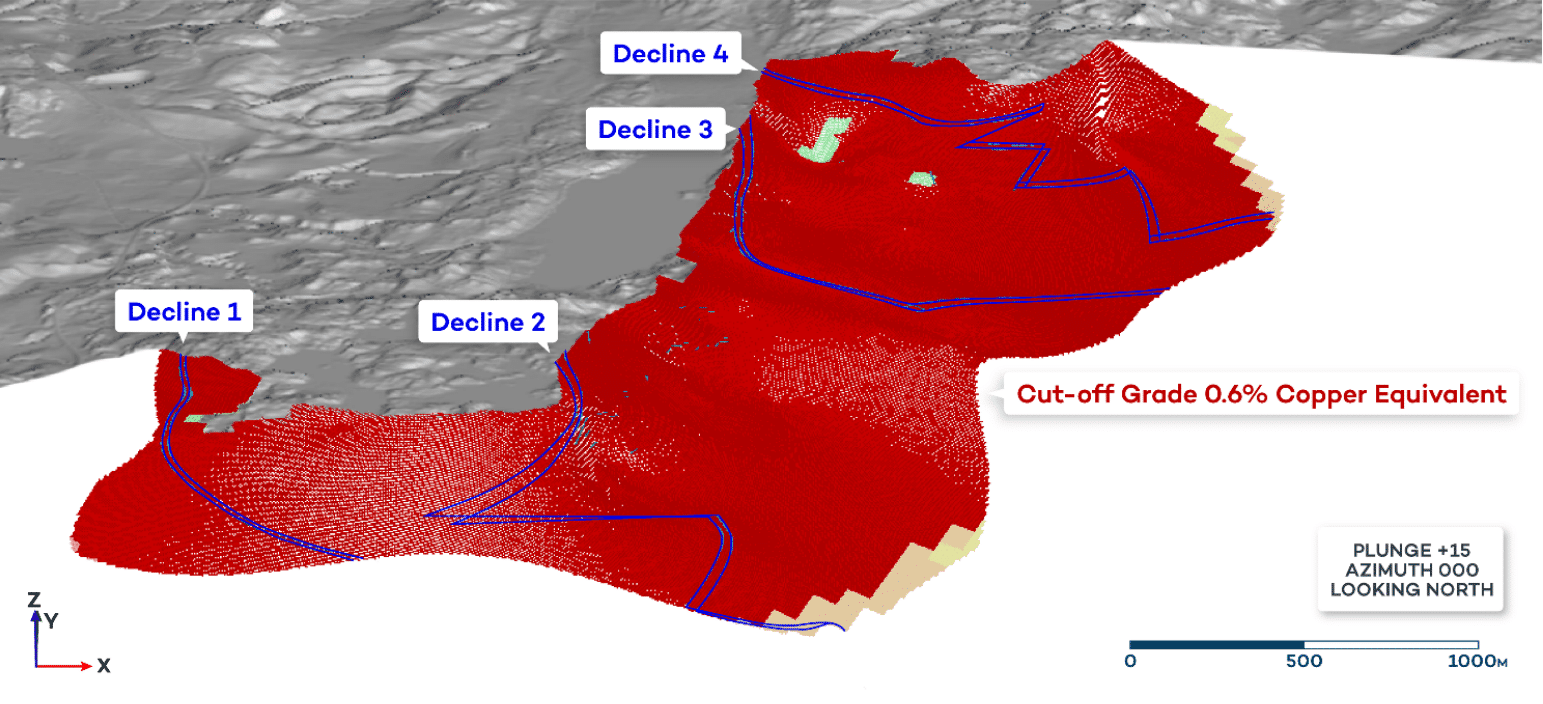
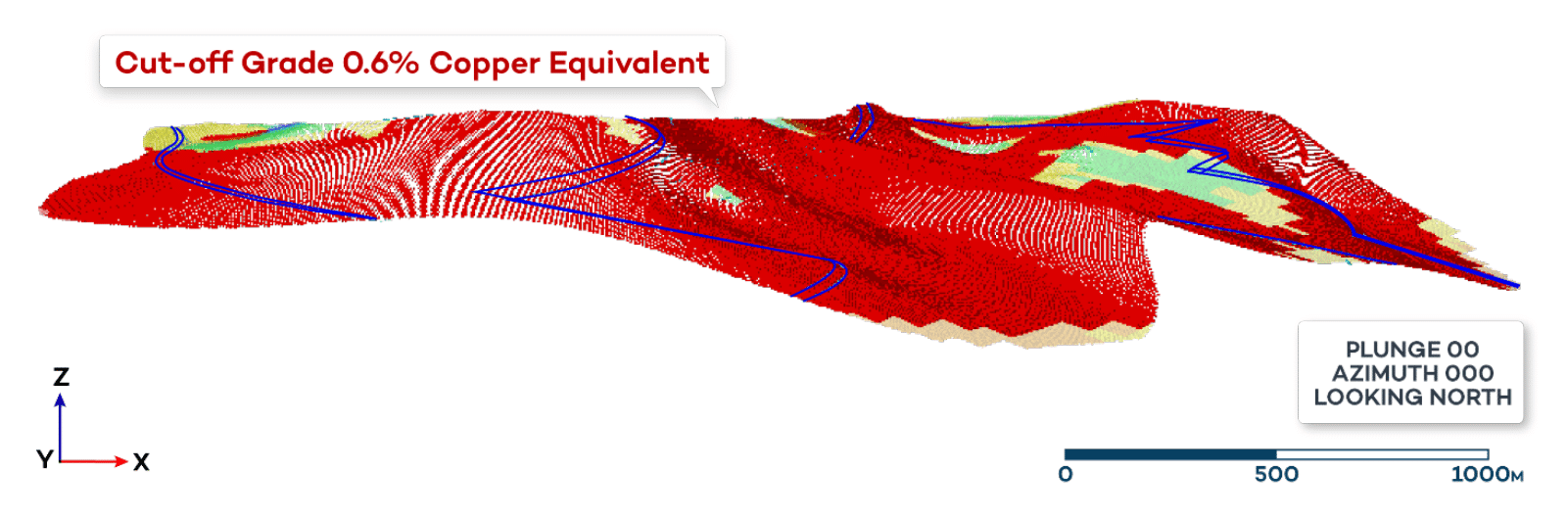
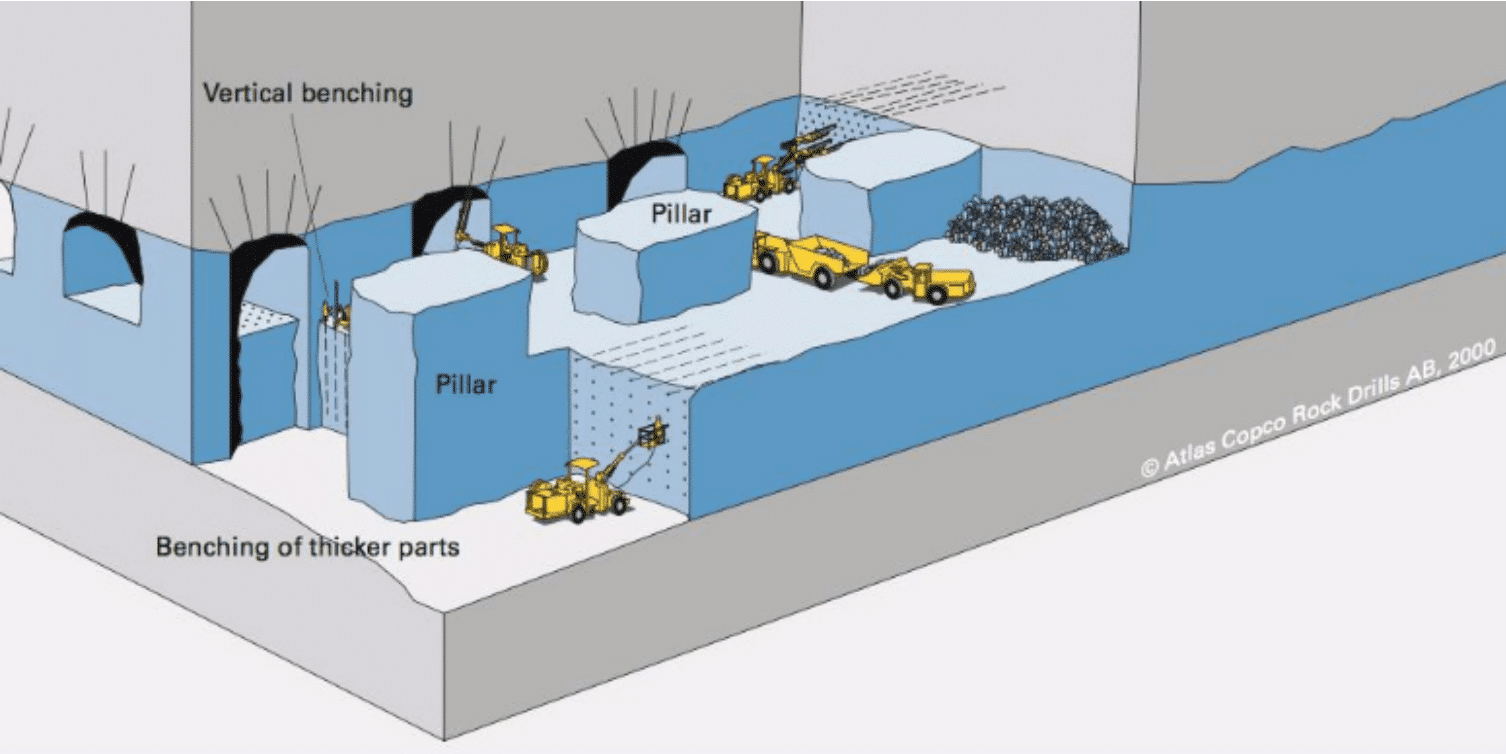
The findings of the UG Conceptual Study at Dingelvik announced in September 2025, have clearly demonstrated the potential for a large-scale UG mining operation at Hennes Bay. The Study has confirmed the technical viability of mining the Dingelvik MRE via decline access and UG Room and Pillar stoping, with an estimated haulage rate of between 3.0 Mtpa and 4.0 Mtpa for at least ten years.
The Study has presented the Company with the opportunity to develop the “Underground Mine of the Future” utilising a combination of proven technologies and modern energy efficient equipment, and maintaining very high standards in safety, energy and cost efficiency.
The conceptual mining study is a critical component of the PEA work program which is ongoing and includes several technical studies including metallurgical testwork, geotechnical and hydrogeological studies.
The Study was conducted on the maiden Hennes Bay MRE, with the objective to confirm the technical viability of UG mining of the Dingelvik deposit utilising modern, readily available mining equipment, a proven mining method, and with the application of technologies aimed at setting a new benchmark for the “Underground Mine of the Future”.
Deswik Mining Consultants (“Deswik”), a highly regarded Australian independent consulting firm, were engaged to undertake the Study based upon the following Scope of Work:
- Select an appropriate UG mining method that allows the maximisation of mining rate and minimisation of mining dilution through the use of modern and energy efficient UG mining equipment
- Design stopes based on the Hennes Bay MRE (Dingelvik deposit) and a realistic cut-off grade benchmarked against other UG mining operations in the Nordic region
- Design the decline and ventilation access with the aim of maximising capital development inside of the orebody that can be developed with the stope mining fleet
- Sub-divide the MRE into independent mining areas that could either be mined concurrently or one after another • Design the size of decline that matches the stoping capabilities of each independent mining area
The design process followed by Deswik was to initially analyse the Dingelvik MRE, with a focus on the dip and thickness of the mineralisation and decide on where to subdivide the deposit into independent mining areas. Based upon these initial findings, the mining, orebody access, and ventilation methods were chosen.
Stoping design followed, with a focus on the cut-off grade determined through the benchmarking of other Nordic UG mining operations.
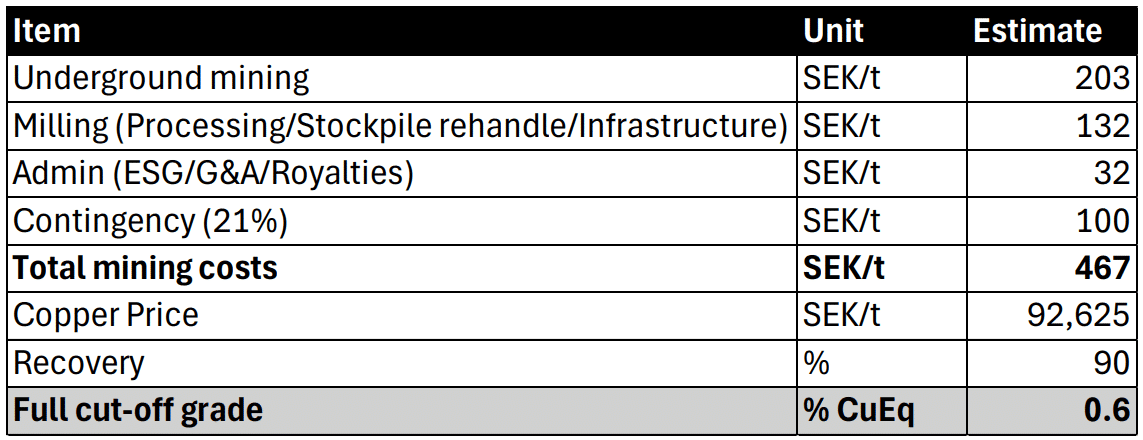
A cut-off grade was estimated (Table 2) with UG mining costs of 203 SEK/tonne of ore mined based upon benchmarking against similar scale UG mining operations in the Nordic region. Costs for processing and administration were also derived from benchmarking of similar sized projects within the Nordic region. A 21% contingency was applied to the costs to allow for potential uncertainties in long-term metal prices, mining costs, metallurgical recoveries, and state royalties.
Copper and silver prices of US$9,500/tonne and US$28/oz respectively (representing the spot prices on the London Metal Exchange on 31 July 2025) were used. These assumptions are significantly below the current spot metal prices (~US$12,700/tonne and US$77/oz for copper and silver respectively as at 18 February 2026).
Overall metallurgical recovery of 90% was assumed based upon historical results from the Stora Strand mine. On the basis of these assumptions, the cut-off grade was estimated at 0.56% CuEq and rounded up to 0.6% CuEq for the purpose of the Study.
Note that no modern investigations into geotechnical properties of the Dingelvik orebody have been undertaken to date, although indications from historical mining at Stora Strand suggested solid rock conditions, the proof of which can be observed in UG stopes that have been open since the early 1900’s and containing little to no rock reinforcement.
Planned Work Program
Following the UG conceptual study, the next step is to progress to a Preliminary Economic Analysis (“PEA”) or Scoping Study, the planned work program includes:
- Preliminary metallurgical testwork and process flowsheet design studies to confirm historical recoveries, ore characteristics and process equipment requirements.
- Geotechnical and hydrogeological studies to enable detailed mine design and water management requirements.
- Preliminary infrastructure studies to define corridors for road, rail, power, communications, and water.
- Tailings storage facility design and location studies.
- Infill drilling to convert the Inferred MRE at Dingelvik into Indicated category.
In addition to the PEA, the planned work program comprises a further four workstreams over the next two years with the aim of rapidly advancing the Project’s development and realising its immense resource growth and exploration upside potential:
Stakeholder Engagement:
Effective ongoing communication with stakeholders at a local, regional, and federal level
Environmental, Heritage and Cultural Investigations:
Desktop and fieldwork to determine the current baseline status of the Flora and Fauna, Historical and Cultural sites within the potentially affected areas
Resource Expansion:
Drill testing of the peripheries of the Dingelvik prospect, which remains open in multiple directions
Infill and extension drilling at the other five prospects with extensive zones of mineralisation defined by historical drilling. With limited further drilling, the Asselbyn, Henneviken, Baldersnäs, Åsnebo and Härserud Norra prospects may be added to the MRE
Regional Exploration:
Further refinement of the Exploration Model through the application of modern geophysics and discovery drilling:
– Additional MMT surveys covering areas of interest along the prospective copper horizon
Generation and drill testing of regional targets to discover higher grade zones of mineralisation in the proximal parts of the SSC mineral system
Swan Lake Project
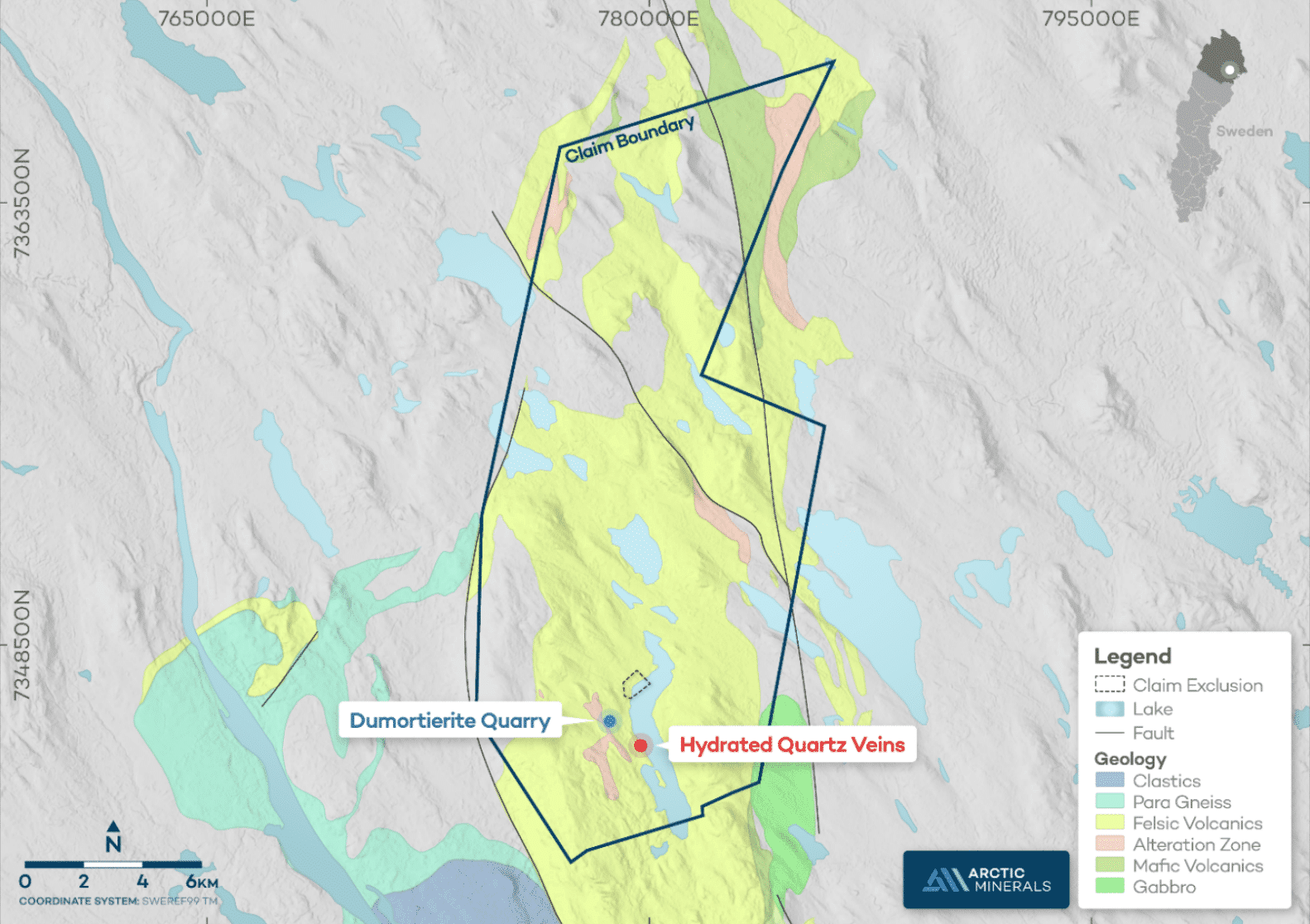
The Swan Lake Project, comprising two granted exploration permits covering approximately 218km2, is located in the Southern Norrbotten region in northern Sweden (Figure 14). Arctic Minerals holds an initial 51% interest in the Project and has the right to earn up to 80% pursuant to an earn-in agreement.
Northern Sweden has a well-established mining industry, with multiple base and precious metal mines currently operating in the Northern Norrbotten and Skellefte Field ore districts. The Swan Lake project is located between these two historic ore districts, 20km northwest of the emerging industrial town of Boden.
Access to the project is excellent through a network of sealed and well-maintained forest roads. Notably, the ore train connecting the mining operations in Kiruna and Gällivare with all-year port facilities in the coastal city of Luleå runs through the centre of the Project area.
The Project is located within the Proterozoic Norrbotten volcanic belt surrounded by granitic intrusions that hosts the giant Aitik and Laver porphyry copper-gold deposits owned by Boliden (Figure 14). The Aitik mine, which has been in operation since 1968, is one of Europe’s largest copper producers.
The copper deposit at Aitik was discovered in the 1930s. Mining began in 1968 when technology was sufficiently advanced to profitably extract the metal. Aitik is famous for being one of the most efficient open pit copper mines in the world.
The Aitik deposit consists of chalcopyrite and pyrite yielding copper, gold and silver. Approximately 40Mt of ore is mined and concentrated per annum, with the current dimensions of the open pit being 3km in length, 1.1km in width and 450m in depth. The current Mineral Reserve Estimate for Aitik is 1.091Bt @ 0.23% Cu, 0.16 g/t Au and 1.3 g/t Ag. In addition to the Mineral Reserves, the current MRE totals 0.905Bt @ 0.17% Cu, 0.10 g/t Au, 0.7 g/t Ag.
Laver is an advanced stage bulk open pit copper-gold-silver-molybdenum project with a MRE of 0.961Bt @ 0.23% Cu, 0.13 g/t Au, 3.9 g/t Ag and 35 g/t Mo.
Regional and Prospect Scale Geological Setting and Style of Mineralisation
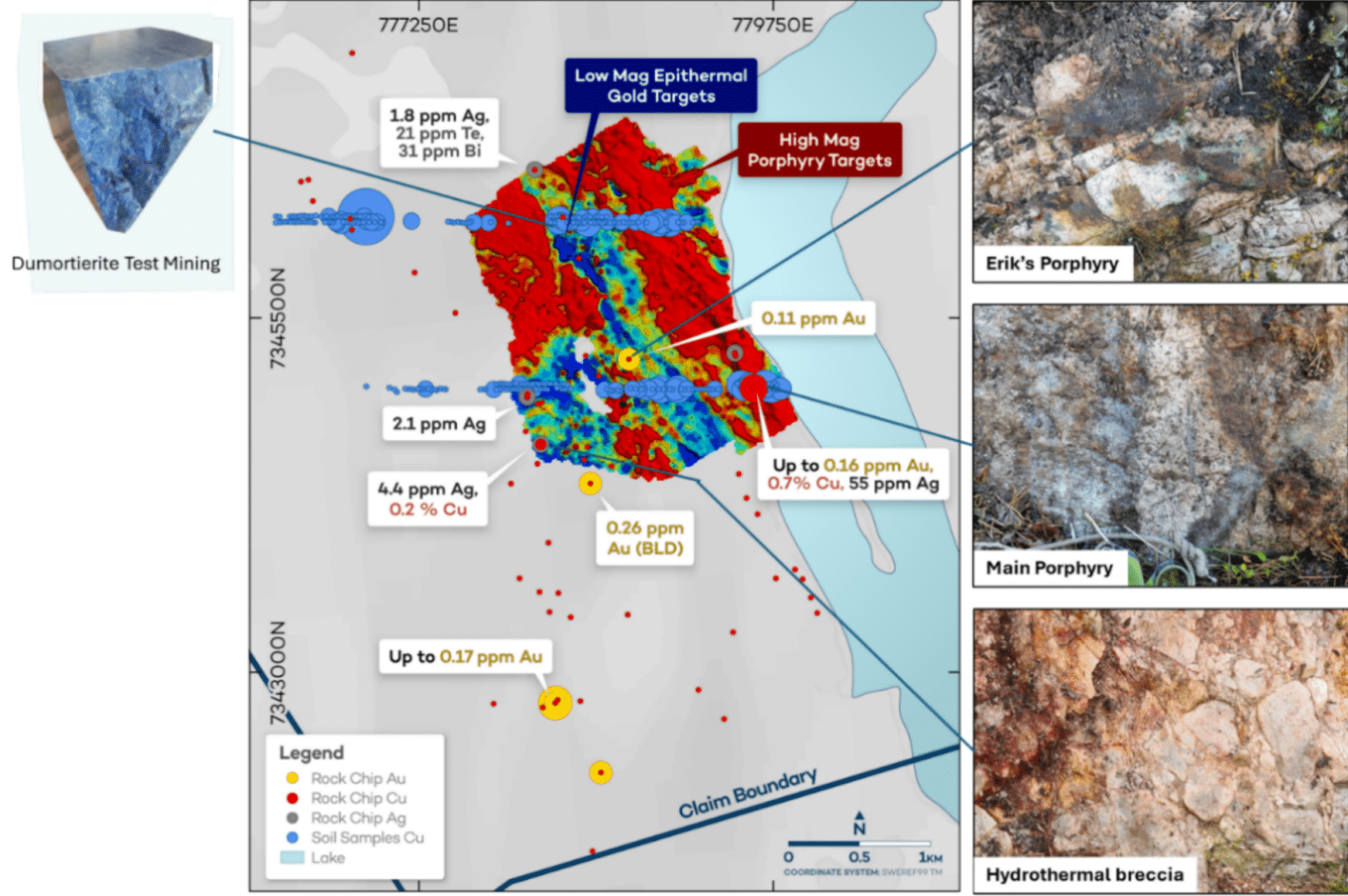
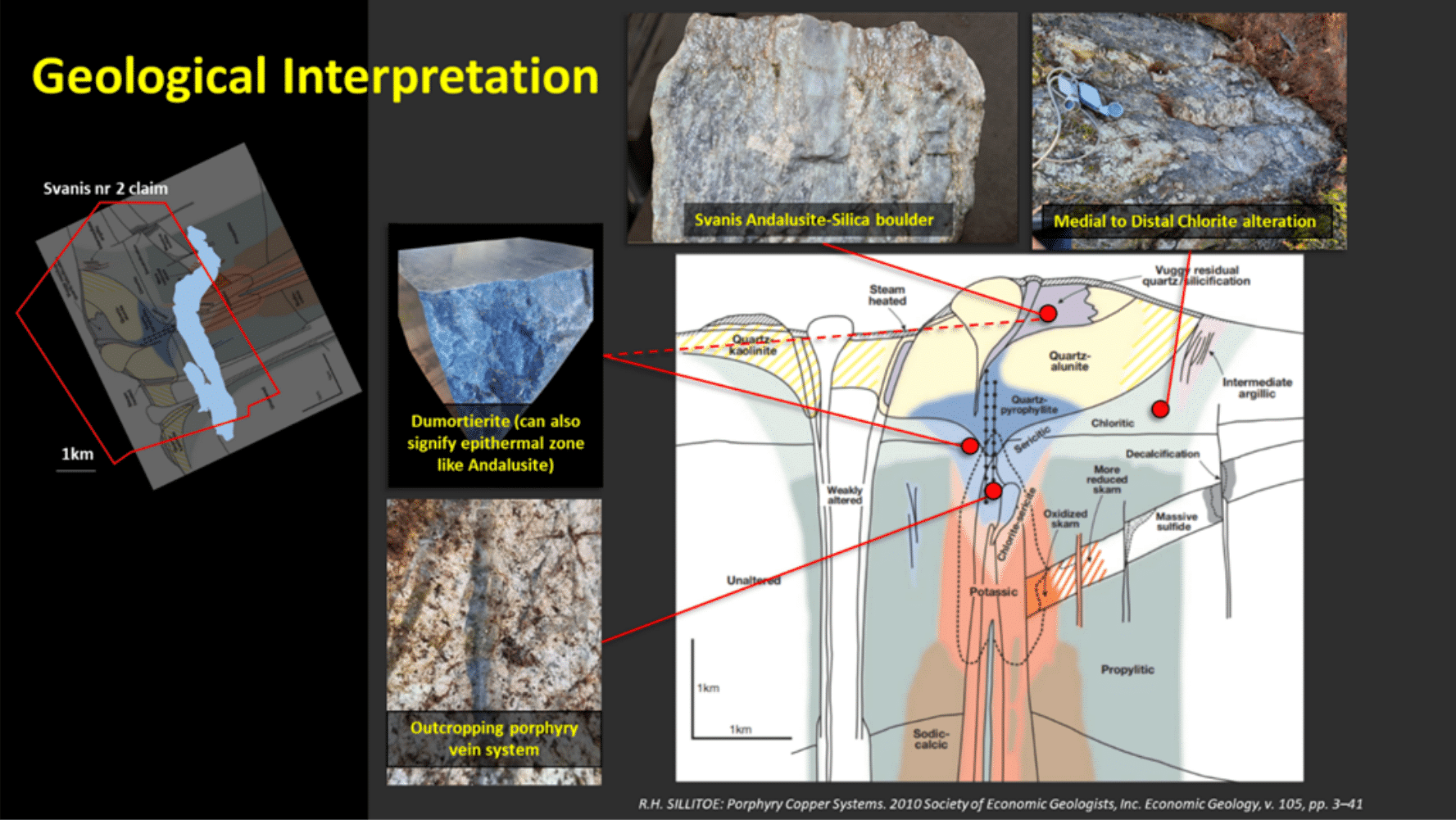
Based on the interpretation of geological mapping, rock-chip and soil sampling, and geophysical surveys completed by the Company to date, the Project area is considered highly prospective for epithermal altered lithocap Au-Ag and PGC style mineralisation (Figures 15, 16 and 17). On a local scale, the Project is characterised by a large-scale alteration system that has been delineated over tens of km2 and contains a historic occurrence of Cu-AuAg-Mo mineralisation, as well as high-grade boulders of similar metal assemblage.
A dumortierite-quartzite occurrence, previously drilled and trial mined to investigate its potential use as ornamental stone or gemstone, is now interpreted to represent the upper parts of a porphyry-epithermal system, directly linked to stockwork Cu-Au-AgMo mineralisation. Recent fieldwork has uncovered polyphase quartz sulphide stockwork veining in the area.
The results of 125 line kms of ground magnetic surveys conducted in the area have outlined a more than 2km long, low magnetic anomaly in parts associated with strong alteration and brecciation. Multiple outcrops have been located with mineralisation grading up to 0.7% Cu, 0.16 g/t Au and 55 g/t Ag.
Recent and Planned Work Program
Exploration at Swan Lake during the December quarter included additional regional and prospect scale field mapping, sampling, and geophysical surveys.
Several known alteration zones within the northern part of the Project area were followed up with more detailed mapping and sampling.
Gradient array and pole-dipole induced polarisation (“IP”) geophysical surveys were undertaken, targeting the previously defined low-magnetic anomaly associated with dumortierite alteration and anomalous gold-silver-tellur-bismuth rock chip analyses (Au-Ag-Te-Bi association), as well as the mapped hydrated quartz vein systems with Cu and Au mineralisation. Results from the survey are expected to be released in the first quarter of 2026.
IP is a geophysical technique that measures how the subsurface stores and releases charge over time, as well as the resistivity of the bedrock. It typically detects disseminated sulphide mineralisation in the bedrock where other electromagnetic (“EM”) techniques used for more massive style sulphide mineralisation fail. It can also outline areas void of sulphides which, in epithermal gold systems, can sometimes be associated with the highest-grade mineralisation.
At Swan Lake a “negative IP anomaly” associated with the previously outlined low magnetic anomaly would be considered highly significant from an epithermal gold potential perspective. High IP anomalies are typically associated with the core of PCG mineralisation or at its outer fringes.
These work programs will substantially enhance the Project’s exploration database, leading to the generation of initial priority drill targets to be tested in 2026.